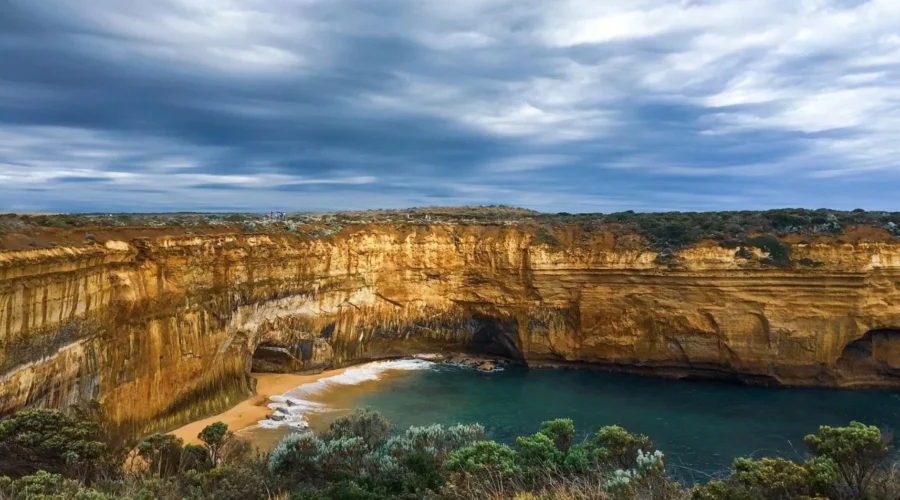
Great Ocean Road: Best Stops & Travel Guide
The Great Ocean Road is one of the most famous coastal roads in the world, with millions of visitors every year. This 243-kilometre (151-mile) stretch of road runs along Australia’s southeastern coast and has stunning views of rugged beauty, sheer cliffs, limestone rock formations, rainforests and beaches. But beyond being a tourist attraction, this road has historical significance – it’s the largest war memorial in the world.
A Road Built by Heroes: The Largest War Memorial
One of the most interesting facts about the Great Ocean Road is that it was built by Australian soldiers returning from World War I. Built between 1919 and 1932 it was dedicated as a utilitarian memorial to their mates who died in the war. These soldiers had to endure tough conditions, using only basic tools to hack through scrub, ancient rainforests and coastal cliffs to build this road. Today the road is a testament to their hard work and dedication.
Initially the Great Ocean Road was run by a private subscription system – a toll was paid for maintenance and to recover construction costs. But in 1936 the road was officially gifted to the public and became free for everyone ensuring its legacy for future generations.
The Natural Wonders
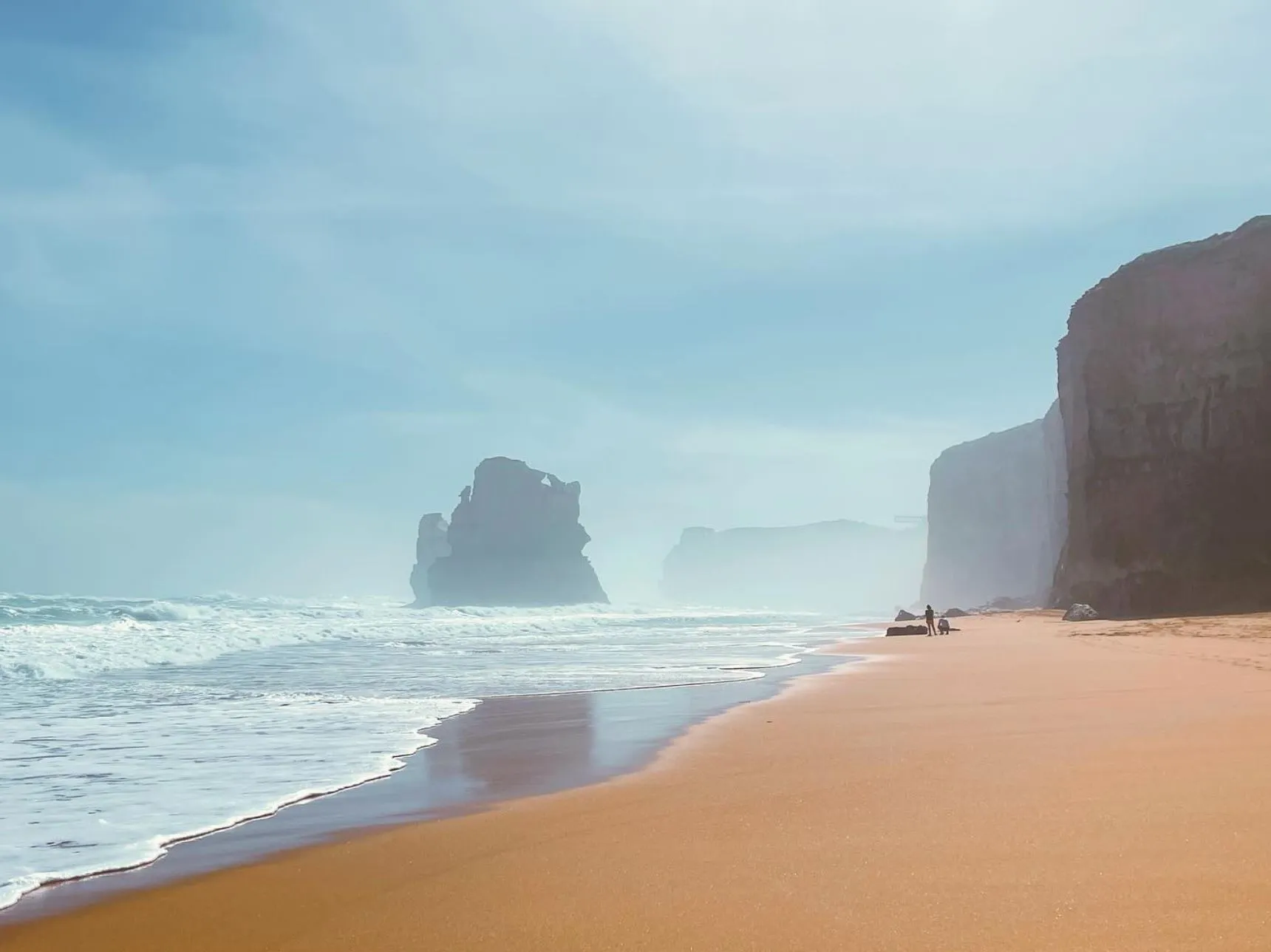
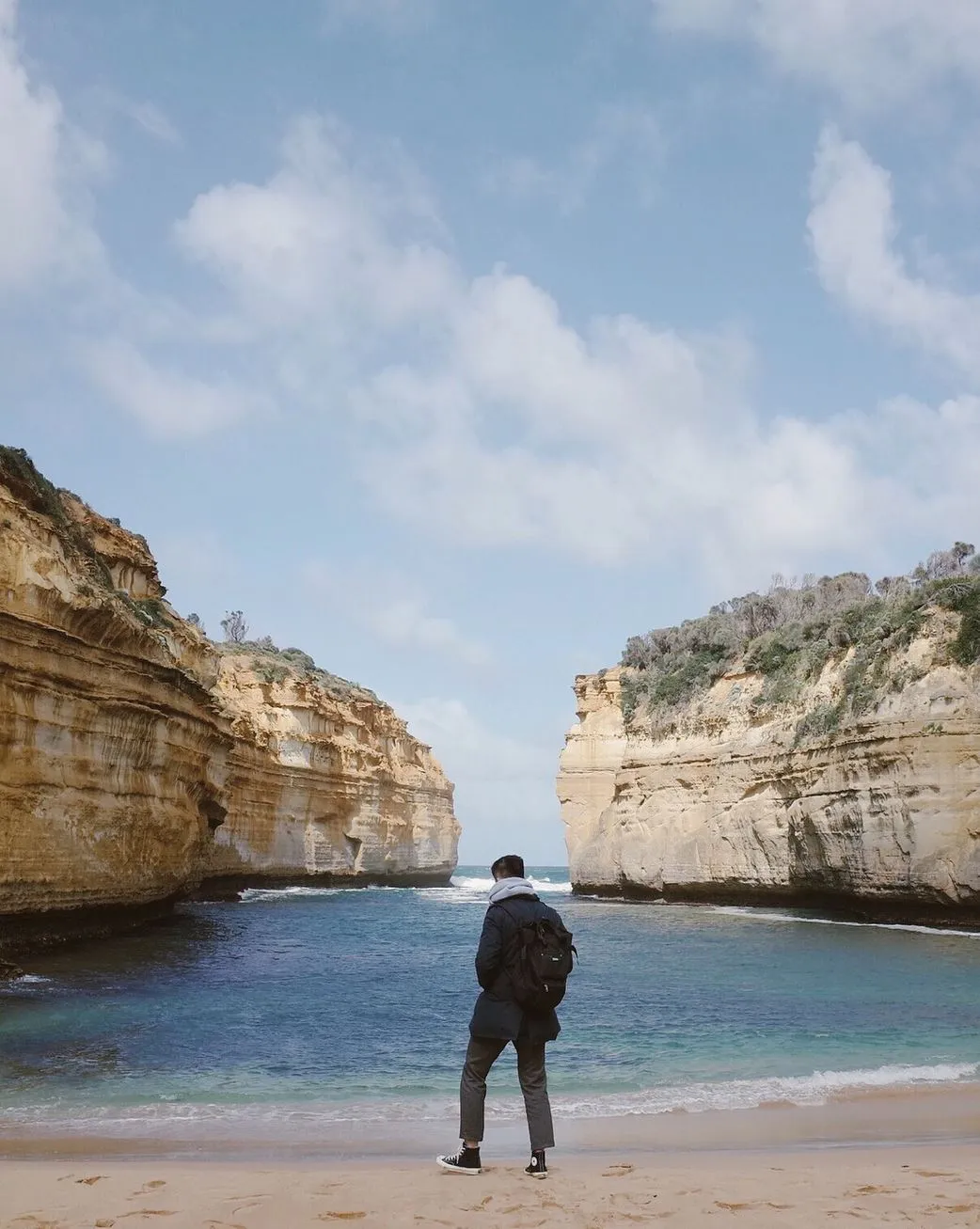
Driving along this scenic route is like stepping into a postcard. The natural beauty of the region is incredible – coastal towns, seaside towns and national parks dot the landscape. You can walk through the native habitat of wildlife – eucalyptus forests where koalas live to the forest floor teeming with unique flora and fauna.
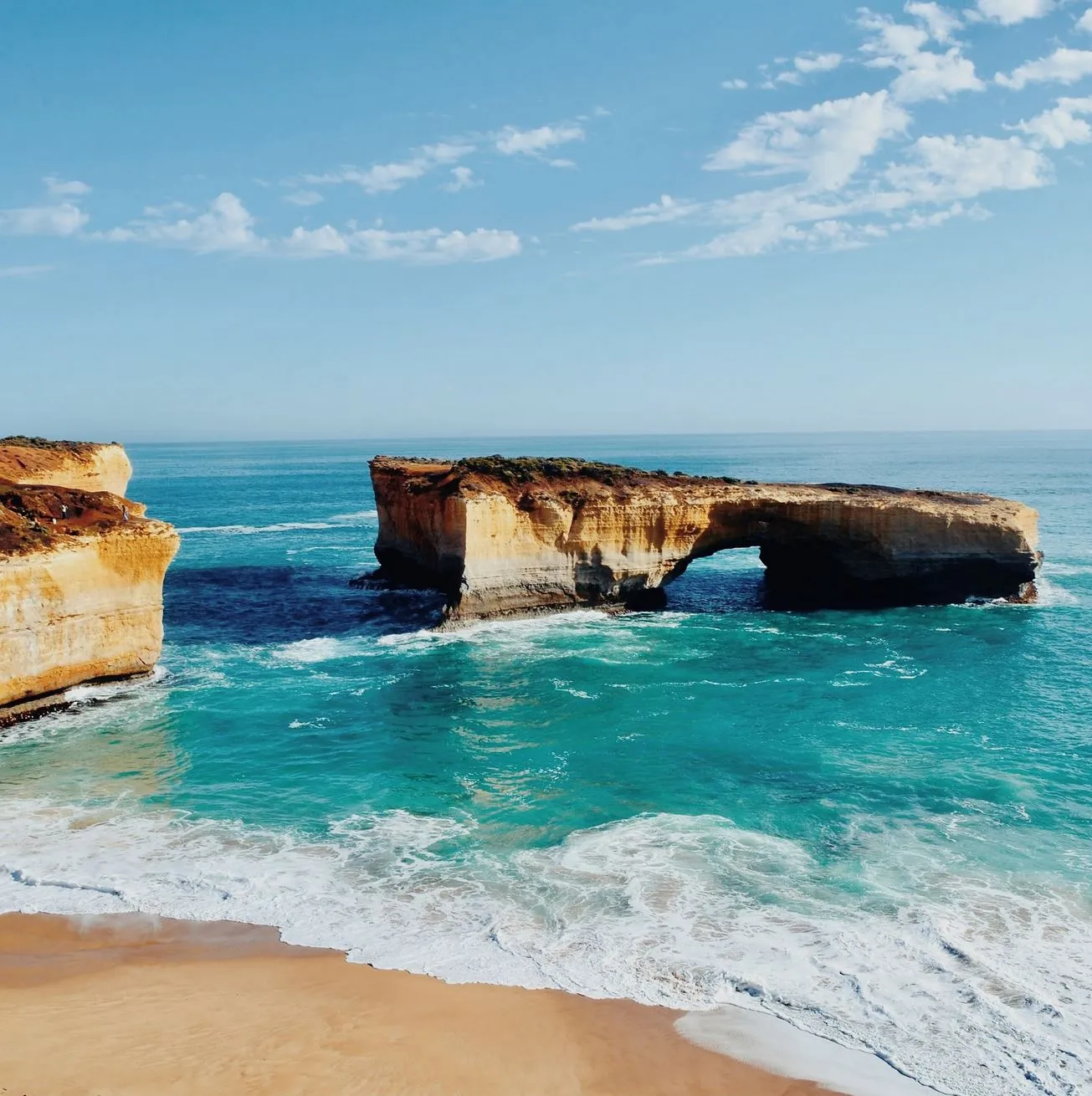
One of the standout features of the Great Ocean Road is the limestone stacks – the Twelve Apostles. These towering rock formations have been carved out by Mother Nature over millions of years. Other highlights include the rugged cliffs of Loch Ard Gorge, the dramatic London Arch and the massive cliffs of the Gibson Steps.
For those who want to relax there are hot springs hotels and nearby campsites to retreat into nature. The coastal drive also passes by sandy beaches, secluded beaches and iconic beaches perfect for sunbathing, swimming and surfing. You can do a Great Ocean Road day trip from Melbourne and see the highlights in a day. Or you can take your time and do a multi-day trip and see the hidden gems along the way.
Tough Drive

While the Great Ocean Road is known for the views, it’s also a tough drive due to the bends and twists. The road hugs the coast and offers spectacular views but requires careful driving. Yet it’s an iconic road trip for those who want adventure and the thrill of a coastal drive.
If you prefer a more relaxed experience, there are many lookout points along the way to take in the views without the drive. Whether you’re driving, cycling or on a tour bus, the Great Ocean Road is an asset to Australia’s tourism industry and an international favourite.
Preserving the Legacy
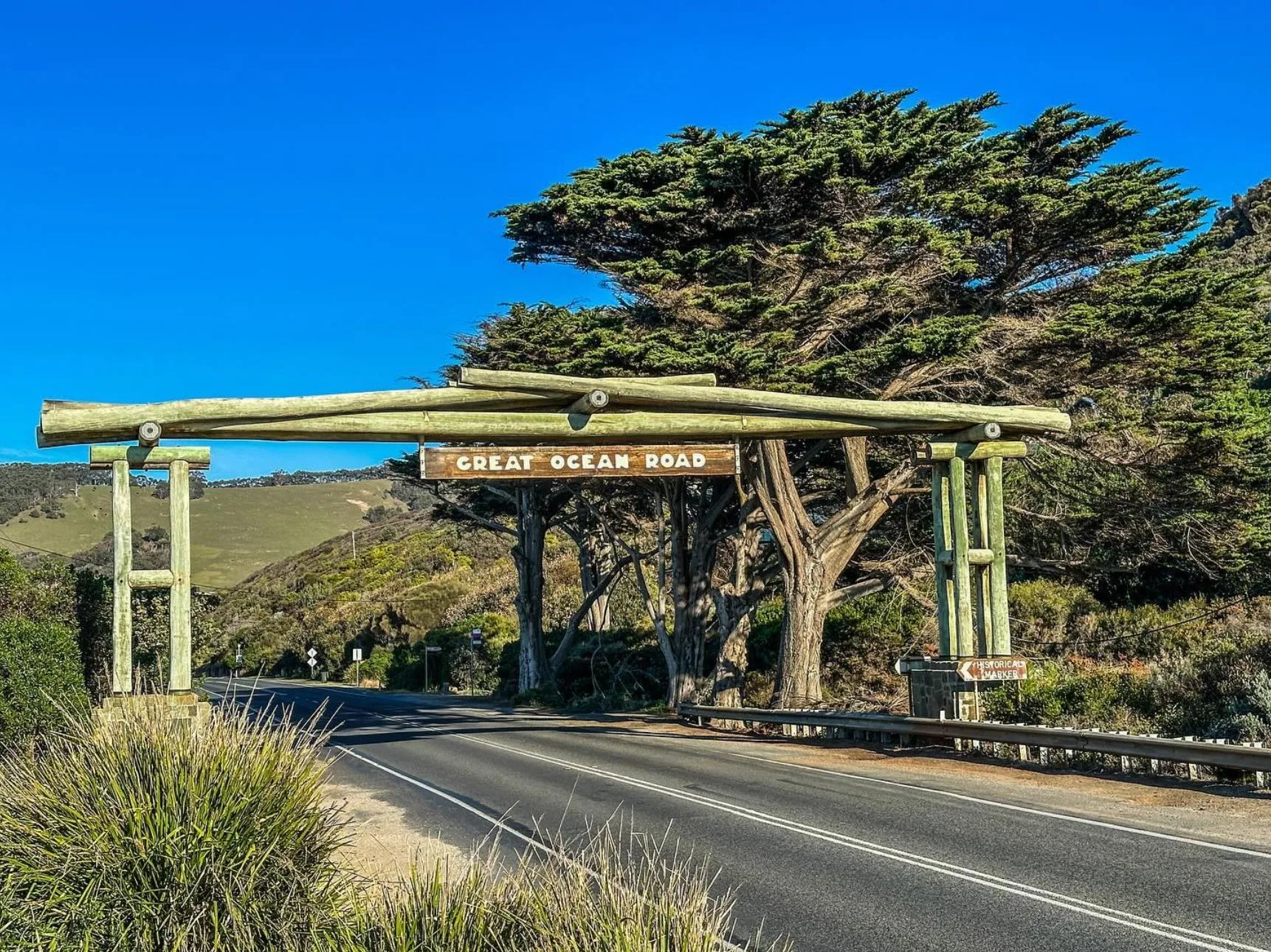
Beyond its historical and scenic significance the Great Ocean Road plays a role in local industries. The timber industry was a big contributor to the region’s economy and remnants of old sawmills can still be found. Today conservation efforts focus on protecting the natural elements of the area so the natural environment and wildlife can be preserved.
Some may say commercial development is a bad option but the government and local organisations are balancing tourism growth with environmental protection. By keeping it as an icon, the Great Ocean Road will be a gem in Australia’s crown for many more years to come.
The Great Ocean Road is more than just a coastal drive; it’s a living history, a physical representation of human endeavour and an example of how nature and history intersect. Whether you’re a nature lover, a history buff or just someone who wants an iconic road trip, this road is an experience you won’t forget.
FAQ
How long does it take to drive the Great Ocean Road?
Starts in Torquay and takes about 4-5 hours without stops. But to really experience the road, 2-3 days is recommended. If you’re short on time, a Great Ocean Road day trip from Melbourne is a great way to see the highlights.
What is the best time to visit the Great Ocean Road?
Spring (September–November) and autumn (March–May) are the best times to visit when the weather is mild and the crowds are smaller. Summer is also popular but very busy with millions of people visiting the region.
What are the must-see attractions along the Great Ocean Road?
- The Twelve Apostles (limestone stacks)
- Loch Ard Gorge (historic coastal cliffs and shipwreck)
- London Arch (formerly London Bridge before it collapsed in 1990)
- Otway National Park (ancient rainforests and waterfalls)
- Bells Beach (world-famous surf spot)
Are there any health concerns when visiting the Great Ocean Road?
Just be mindful of motion sickness from all the twists and turns and if you have heart problems or mobility issues, take extra care on the rough terrain and steep cliffs.
Can you camp along the Great Ocean Road?
Yes! There are several campsites along the road ranging from basic to luxurious. Many are in national parks so you can really be immersed in nature.